UnifyOrdering
Redesigning a two-sided B2B marketplace for hospitality
Sole Product Designer
2020–2022
Platform redesign • Design system foundation • Two-sided marketplace UX
01 — Overview
Overview
UnifyOrdering is a B2B platform connecting hospitality venues (restaurants, cafés, bars) with food and beverage suppliers.
As the sole product designer, I owned the end-to-end design of both the mobile and web platforms, serving two distinct user groups: buyers and suppliers.
I also established Unify's first design system and refreshed the brand and marketing site, enabling consistent delivery and faster development across the product ecosystem.
02 — The Problem
The Problem
Inconsistent product surface
Legacy UI, no reusable components, and mobile and web experiences designed in isolation. Workflows were fragmented, navigation was unclear, and technical debt mounted.
Competing user needs
Buyers needed fast, intuitive ordering for repeat operational use. Suppliers needed visibility, control, and flexibility to manage a growing customer base — two distinct experiences inside one shared platform.
Low design maturity
Without a structured system, engineers built UI from scratch — slowing delivery and creating alignment issues under high time-to-market pressure.
03 — Approach
The Solution
I worked across three parallel workstreams, prioritising rapid iteration, close engineering collaboration, and tight feedback loops with commercial stakeholders.
Redesign the platform end-to-end.
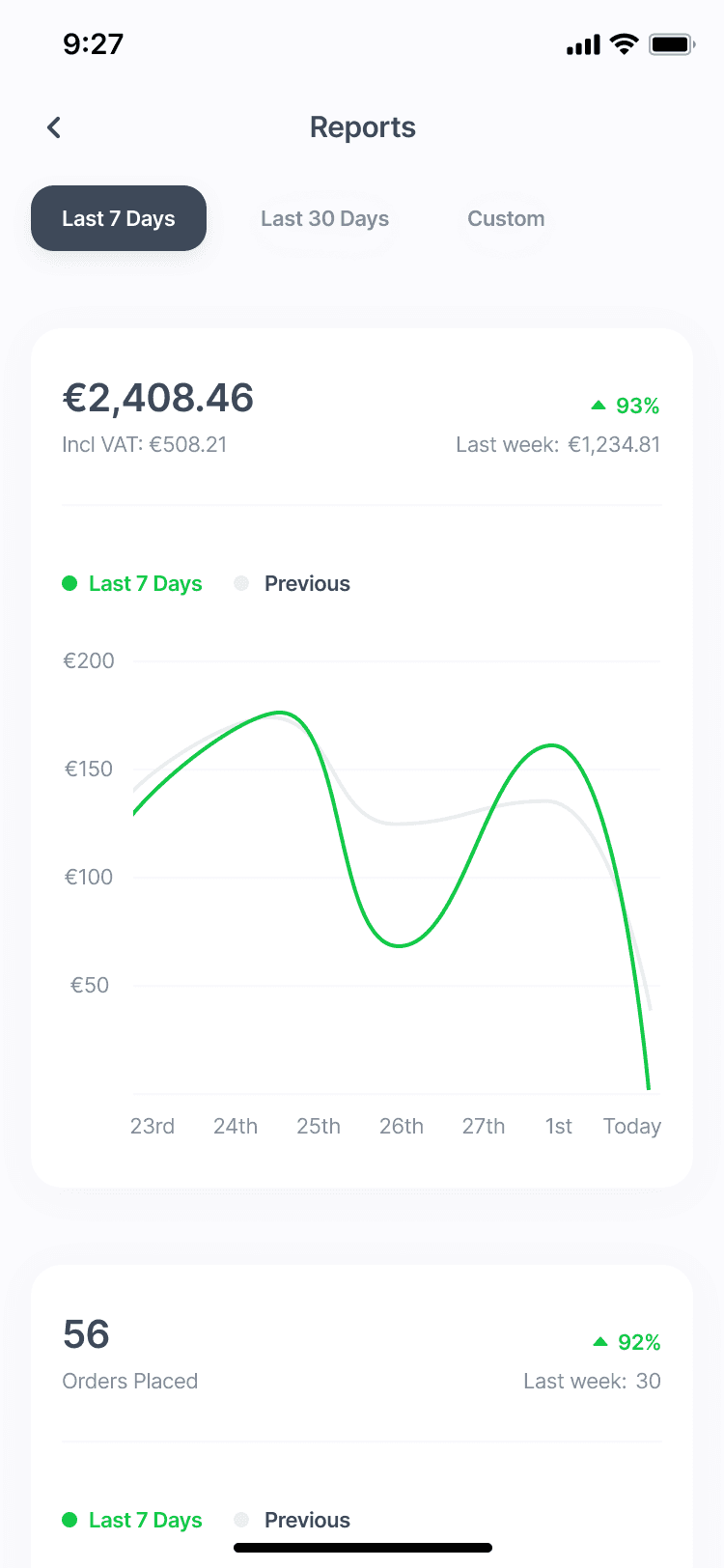
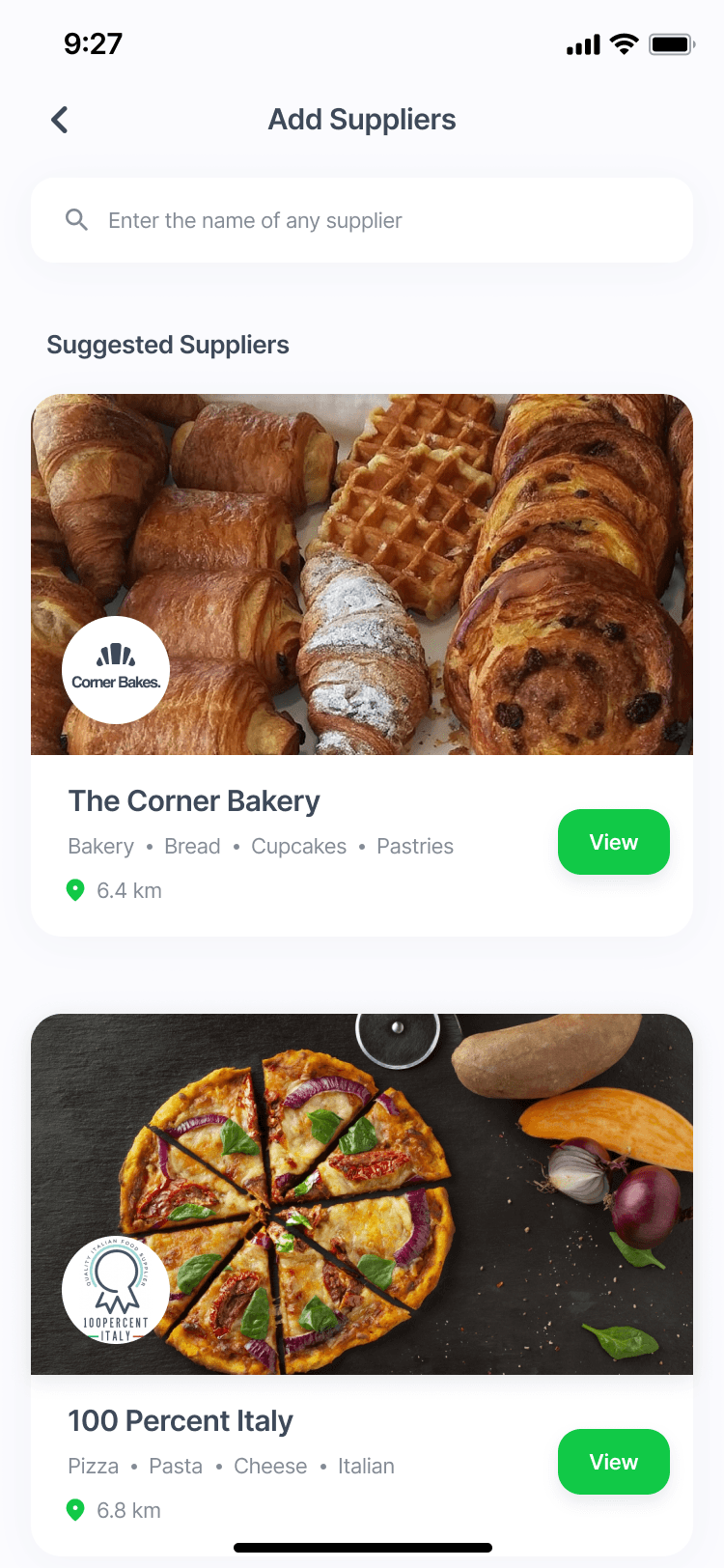
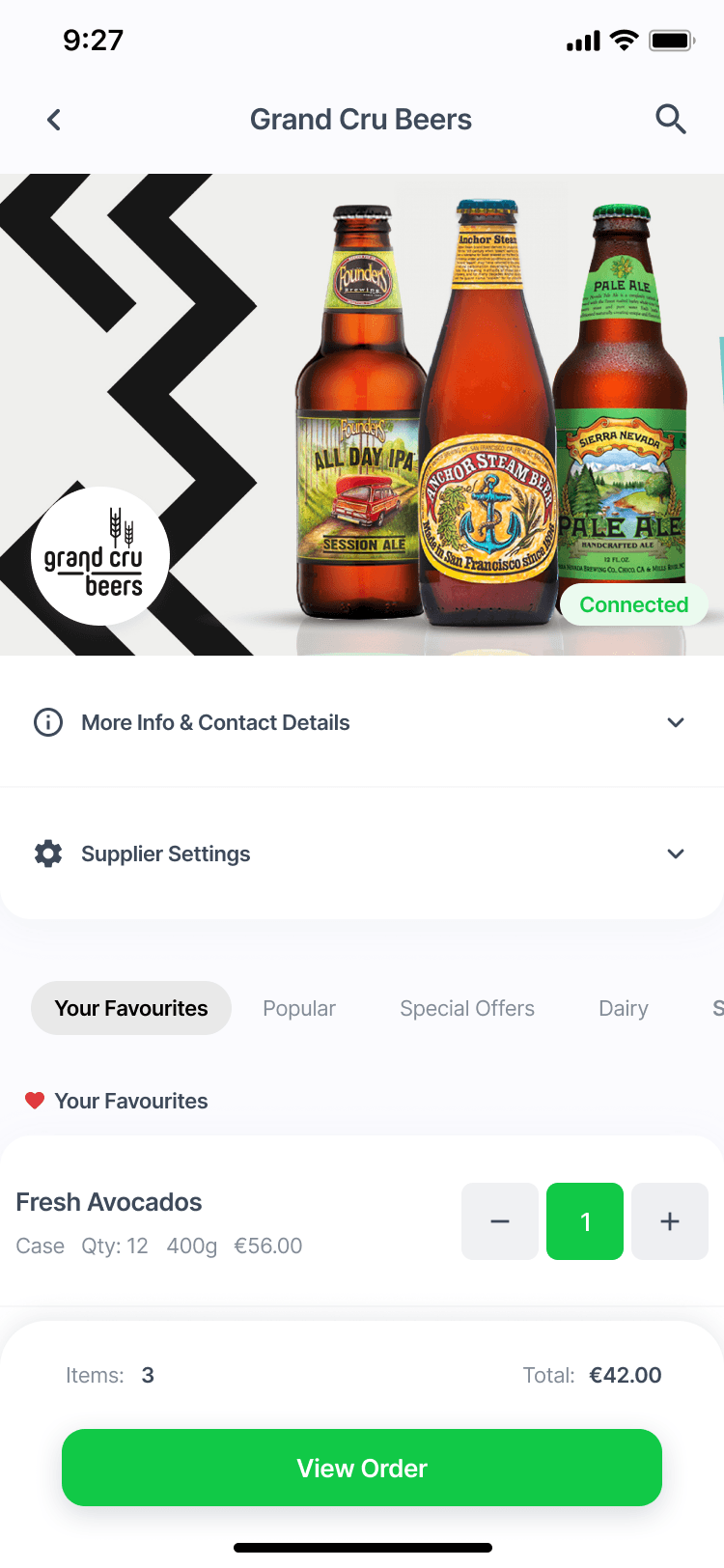
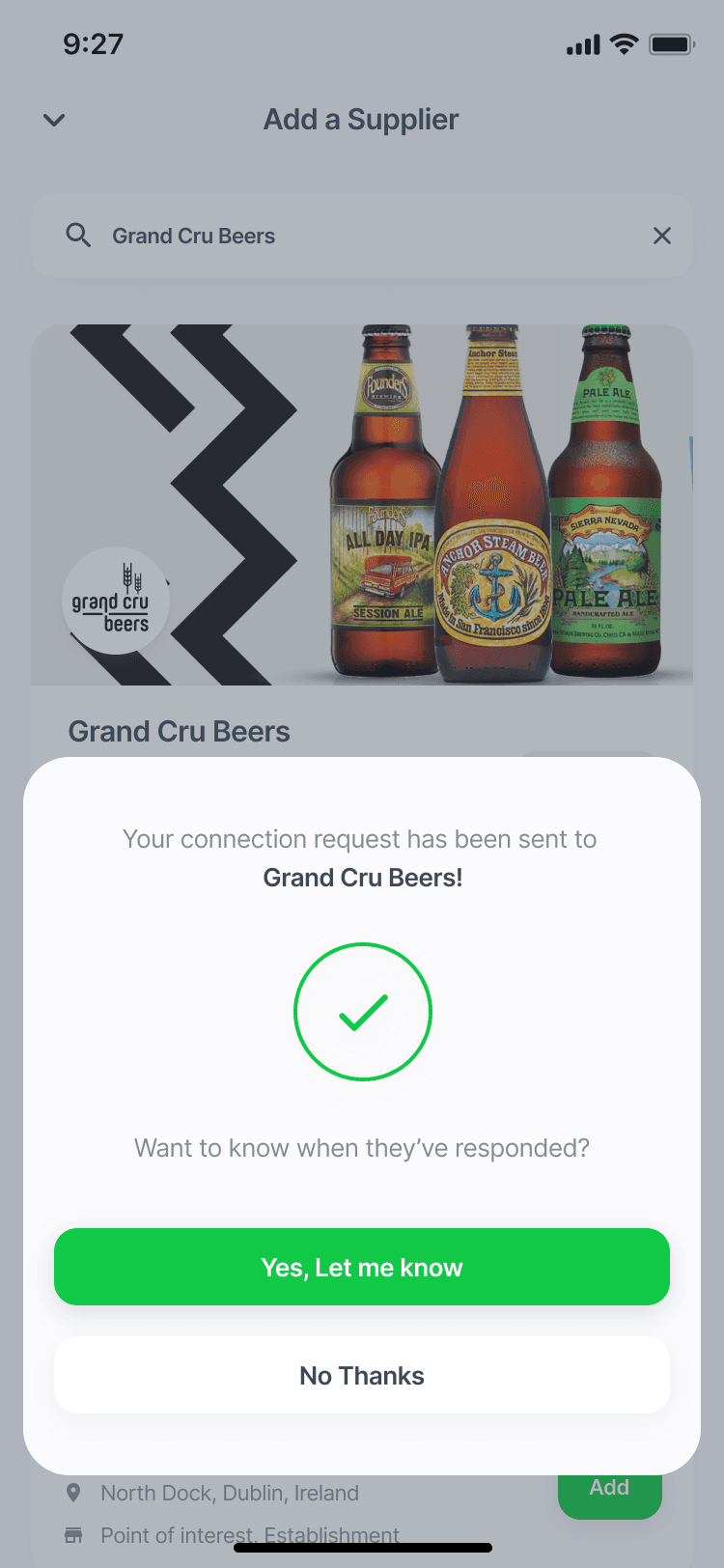
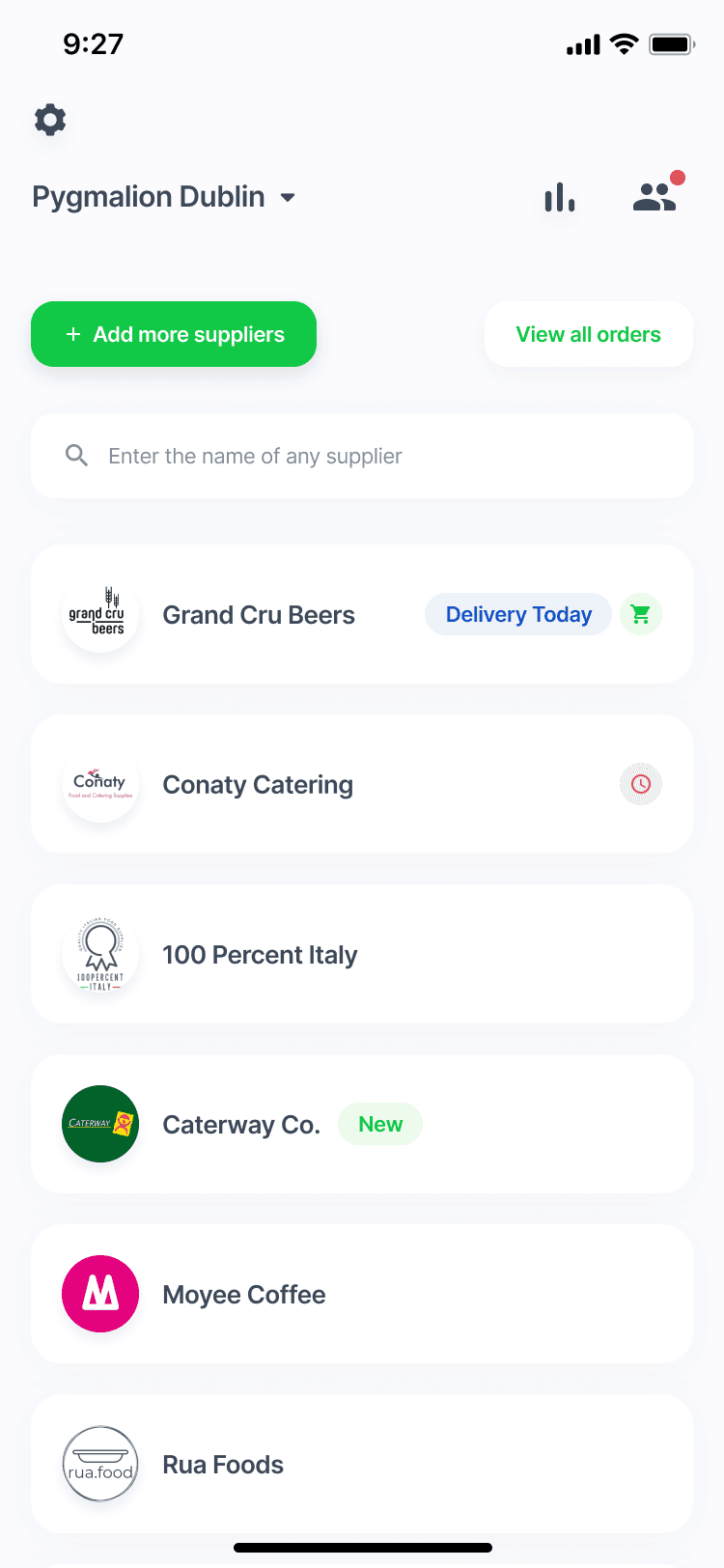
Buyer and supplier experiences across web and mobile, redesigned with focus on speed, clarity, and repeat ordering efficiency. The web experience simplified product discovery, filtering, and order management. The mobile experience optimised for operational use in busy hospitality environments — fast navigation, minimal input friction, repeat order efficiency.
Establish a design system foundation.
Established Unify's first design system in parallel — core UI components, colour/typography/spacing tokens, interaction patterns, and a Figma component library with Storybook integration for engineering. A shared toolkit that reduced duplication and improved cross-team alignment.
Refresh the brand and marketing.
Updated visual identity and typography, redesigned the homepage and key marketing layouts, and built brand guidelines to align product experience with a more modern, trustworthy tone. Reusable marketing components for pricing, CTAs, and testimonials supported faster site iteration.
04 — Platform Redesign
Platform Redesign
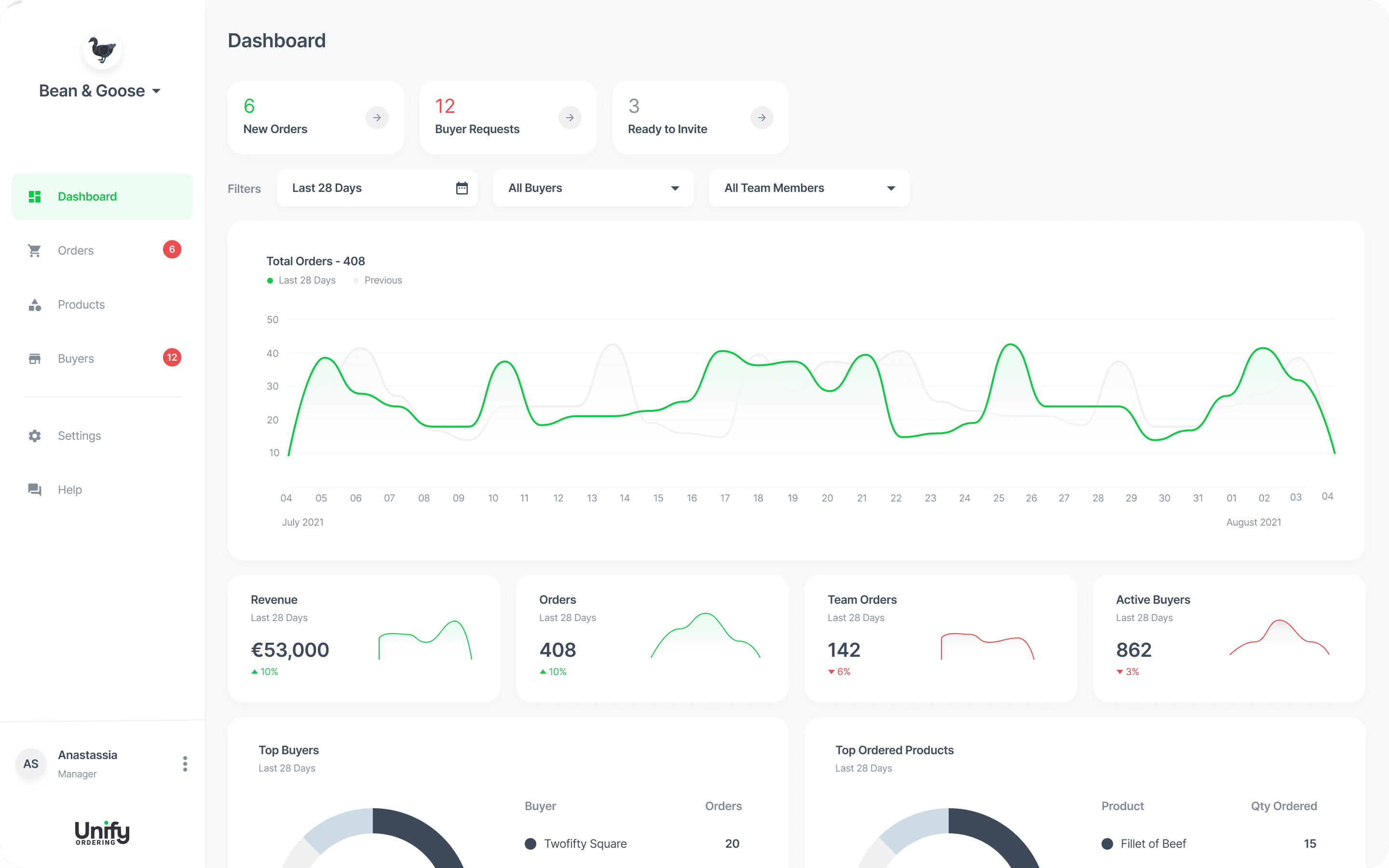
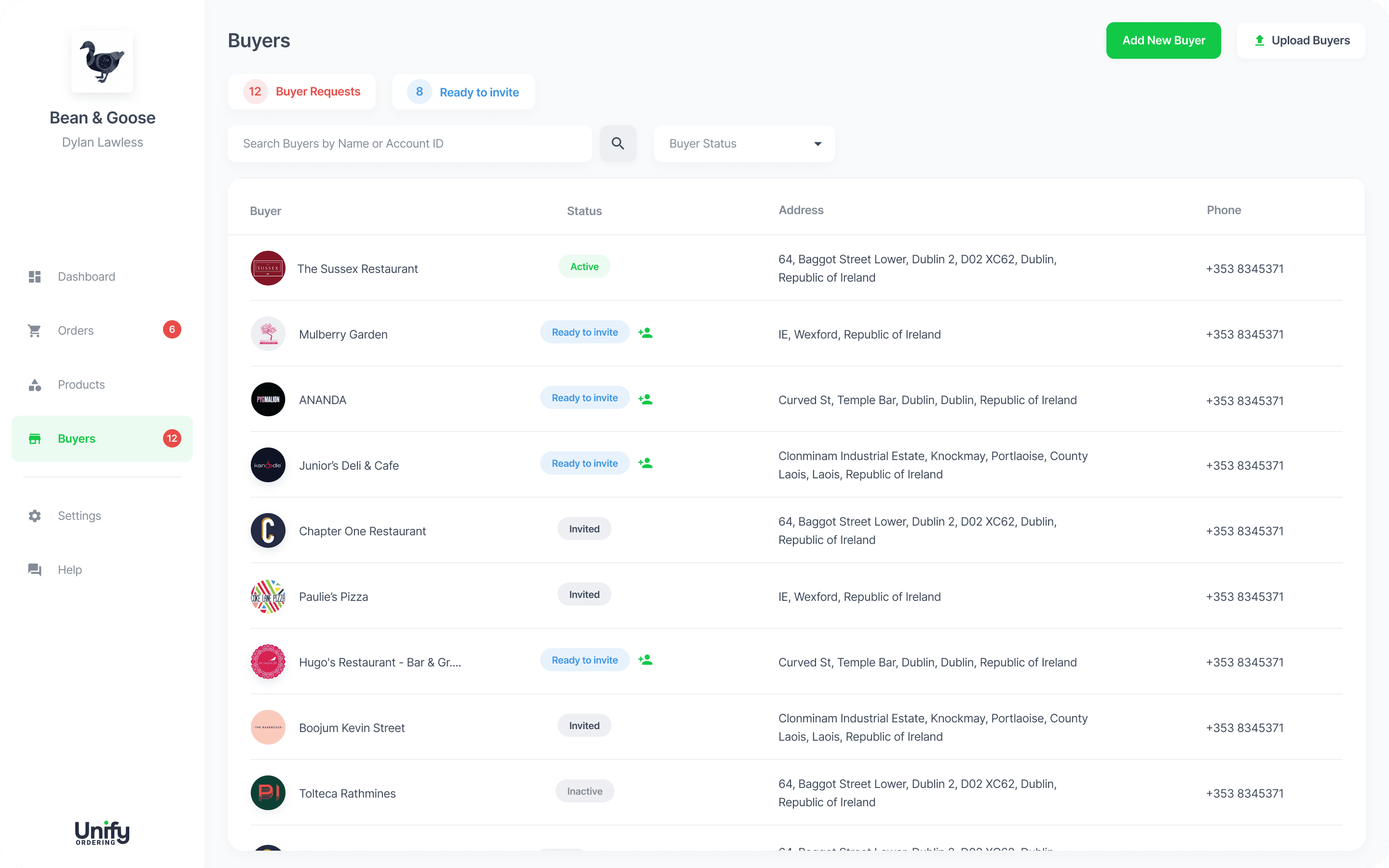
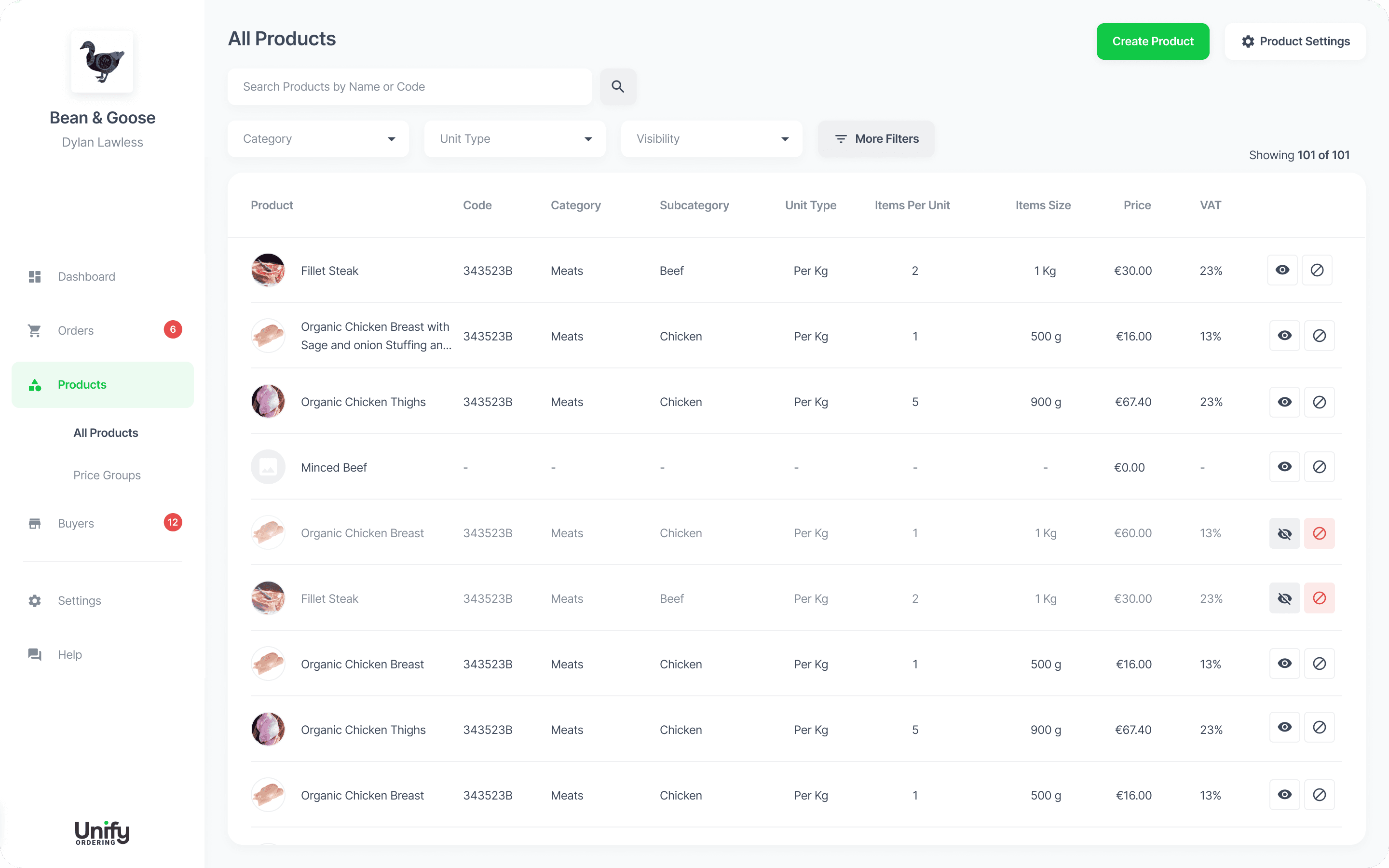
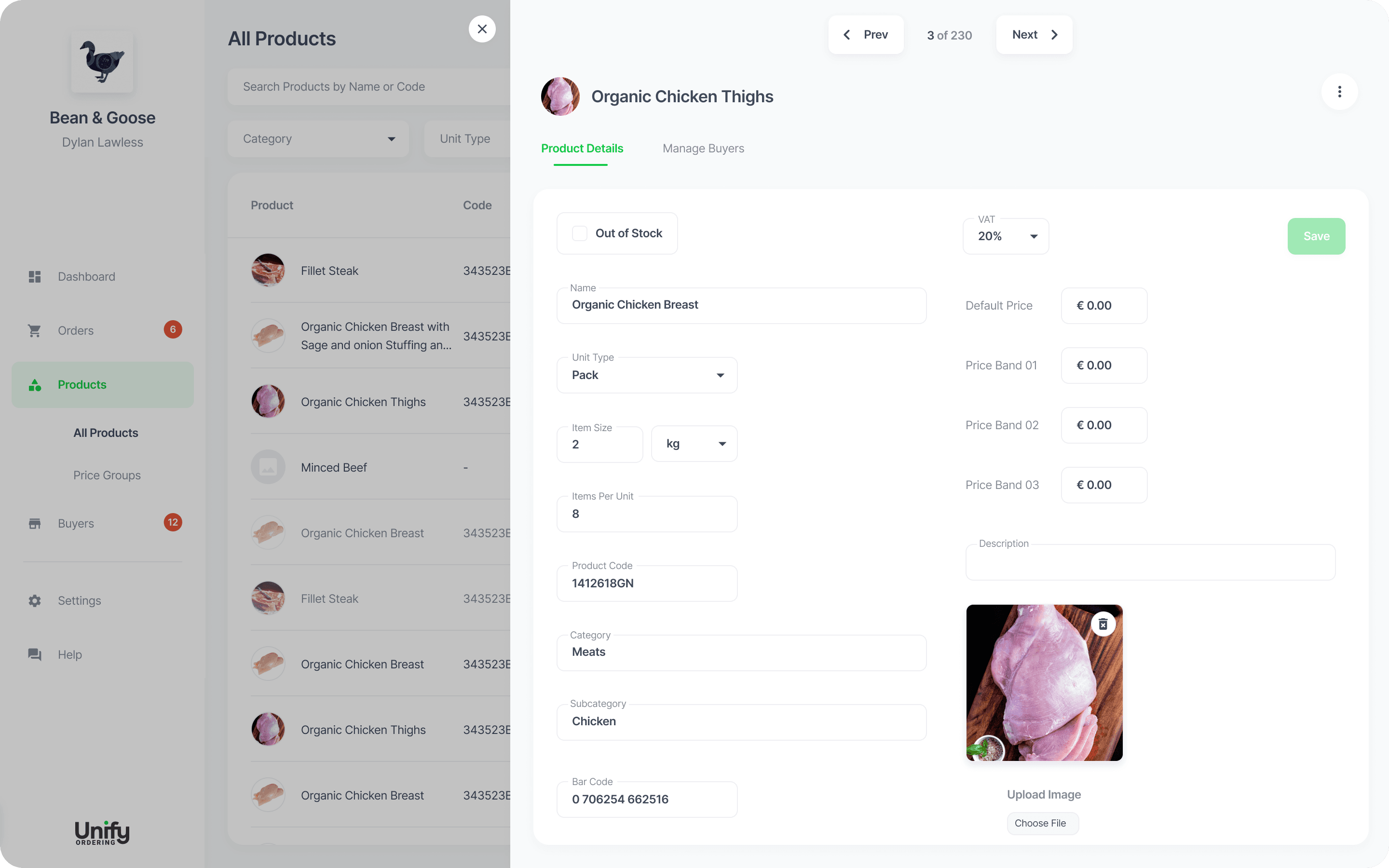
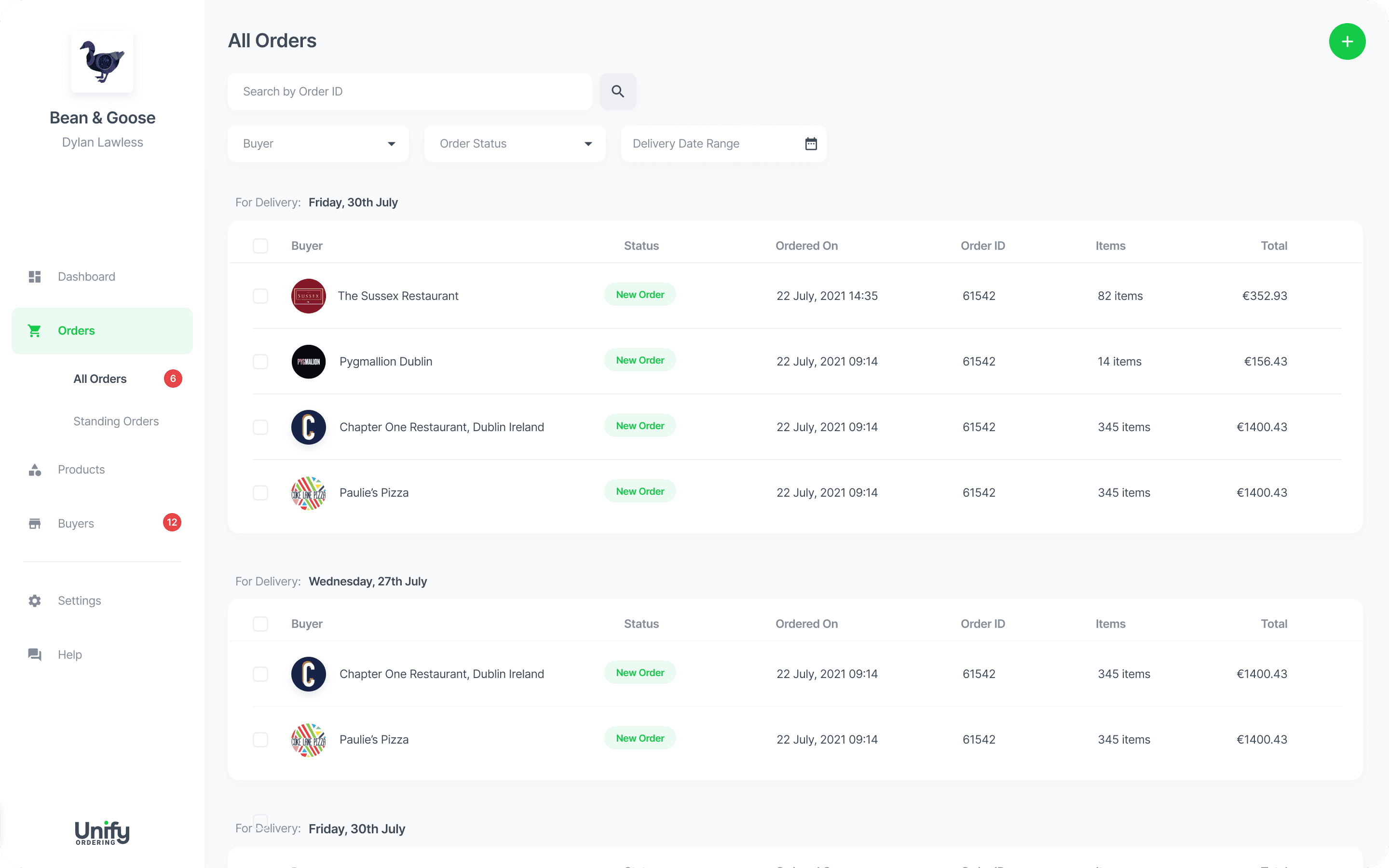
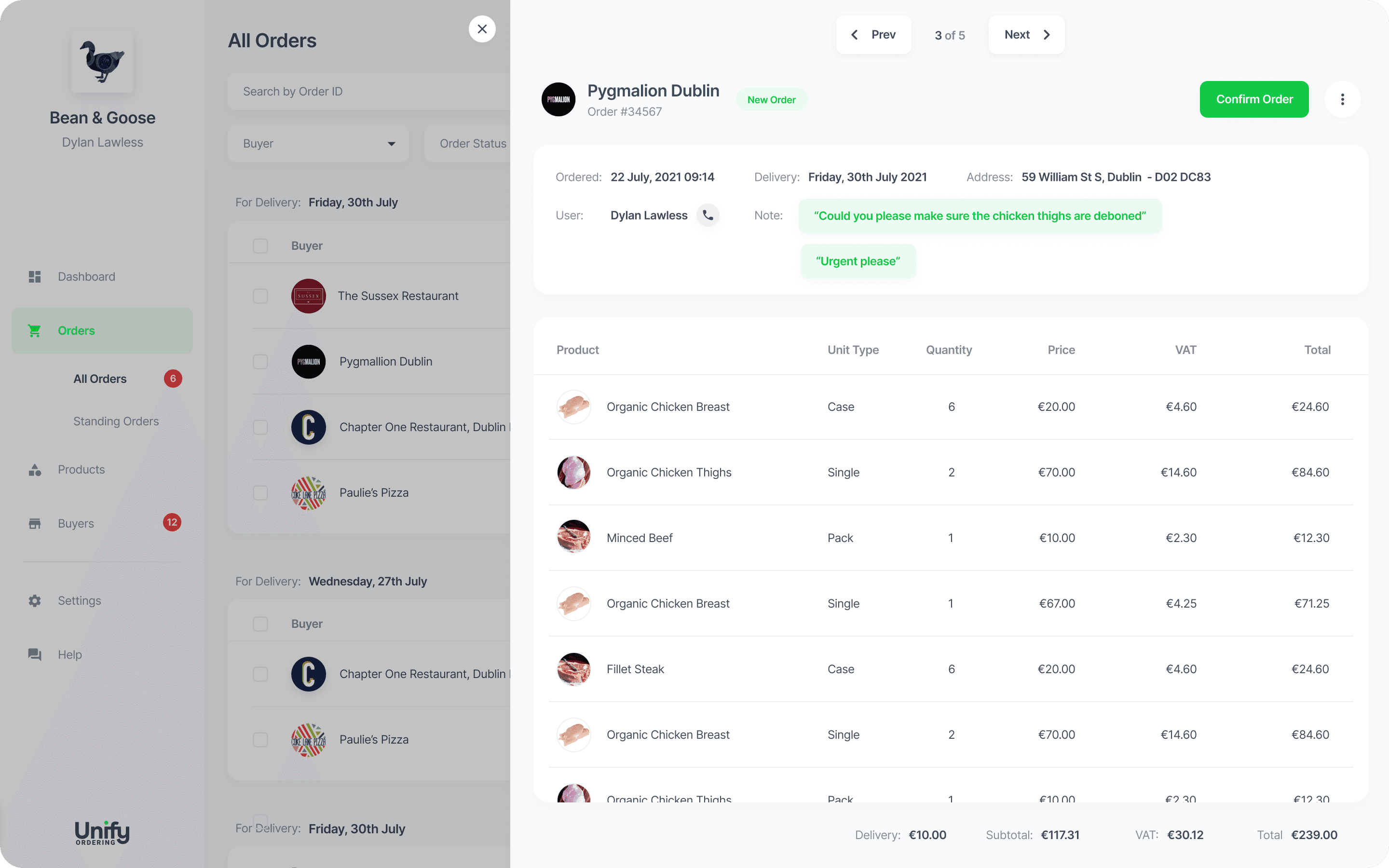
Web Experience
Focused on speed, clarity, and repeat ordering efficiency. Product discovery, cart, and order management were rebuilt around how venues actually reorder — quickly, repeatedly, often mid-service — while suppliers got the visibility and control to manage a growing buyer base.
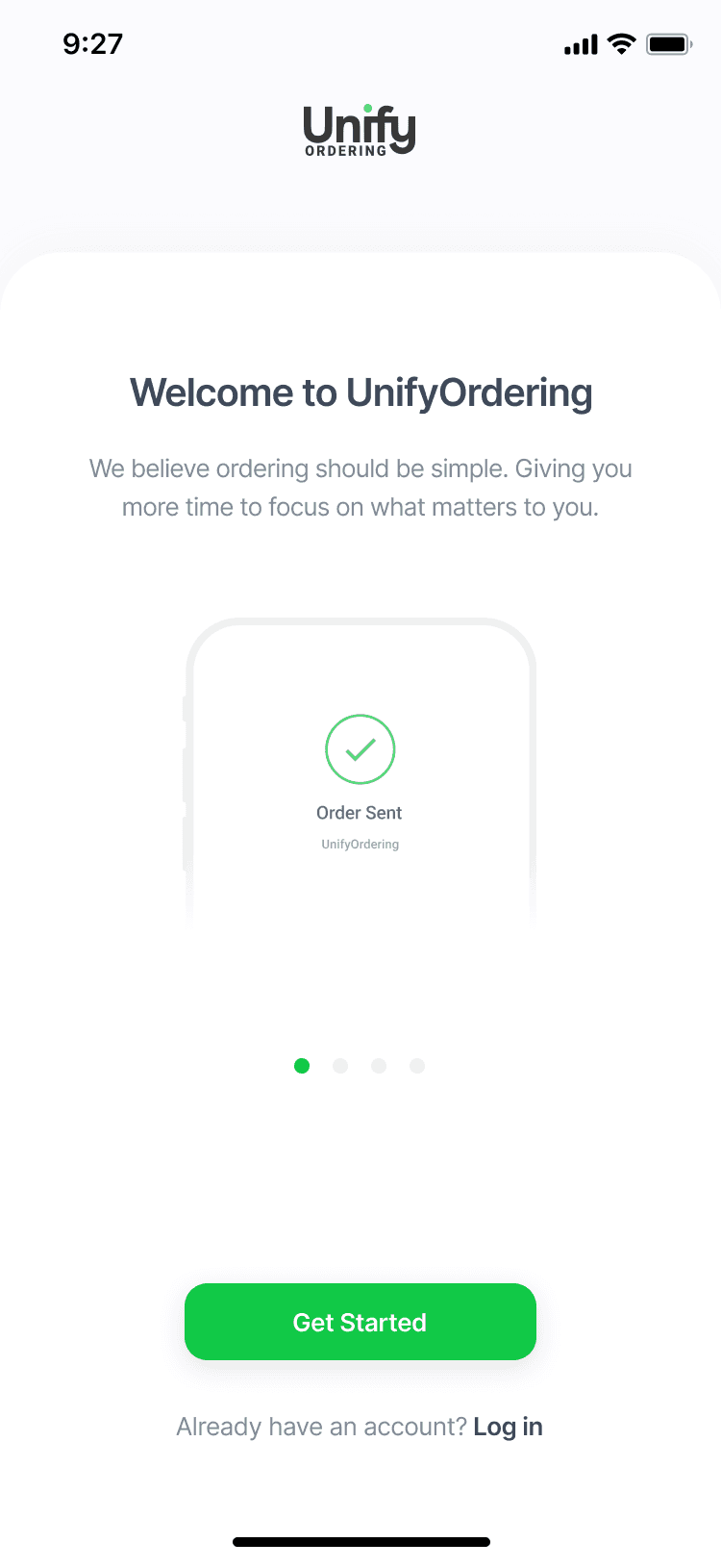
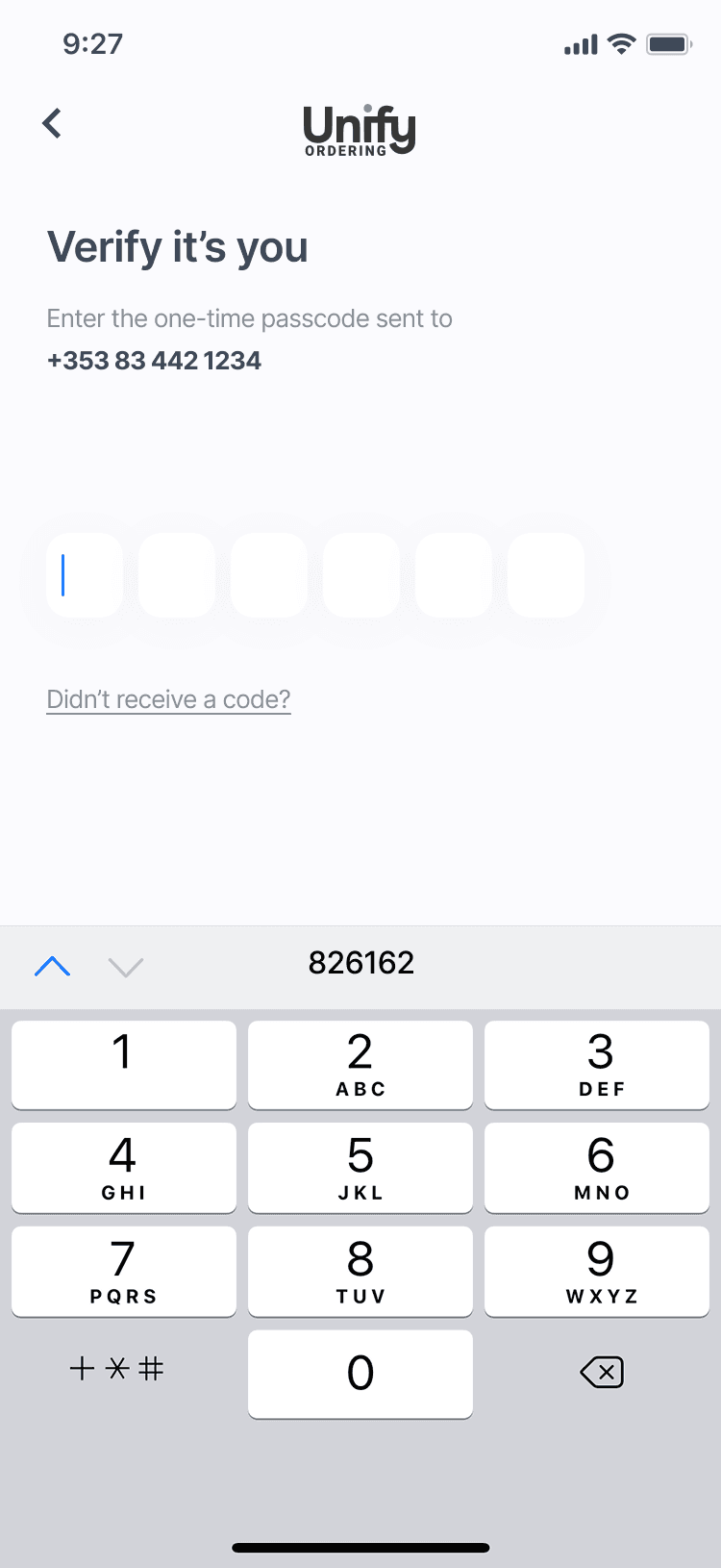
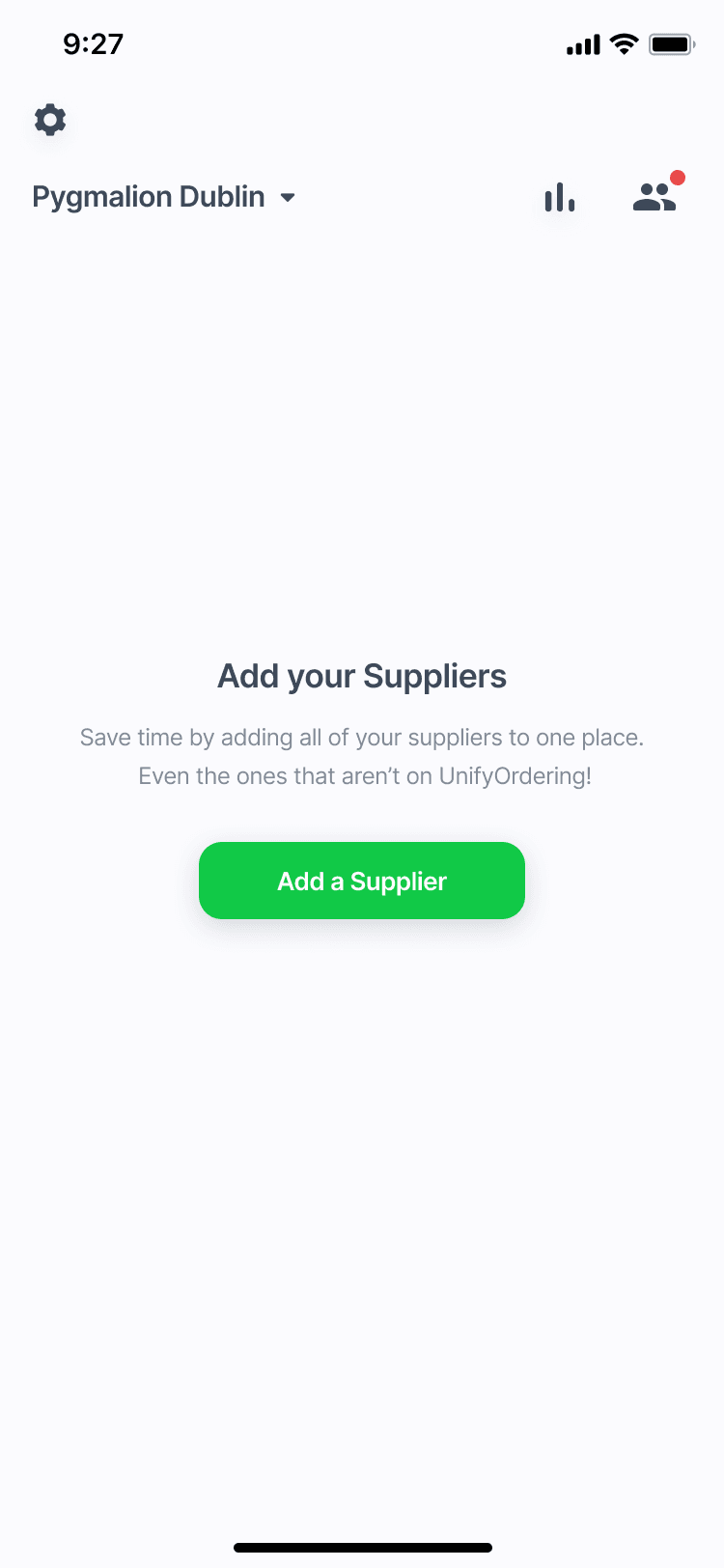
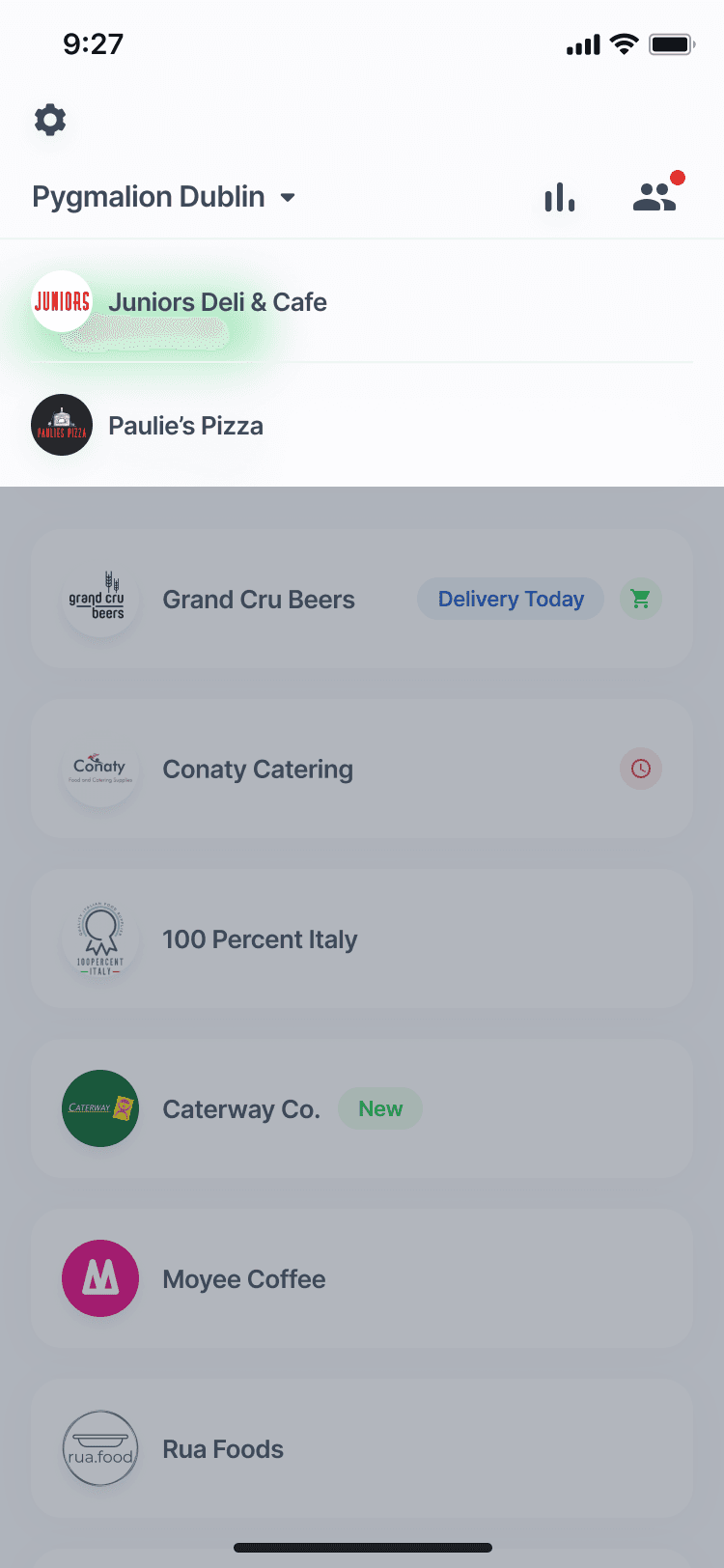
Mobile Experience
Optimised for operational use in busy hospitality environments — designed for one-handed use between tasks, with fast navigation, minimal input friction, and repeat ordering kept front and centre.
05 — Design System
Design System Foundation
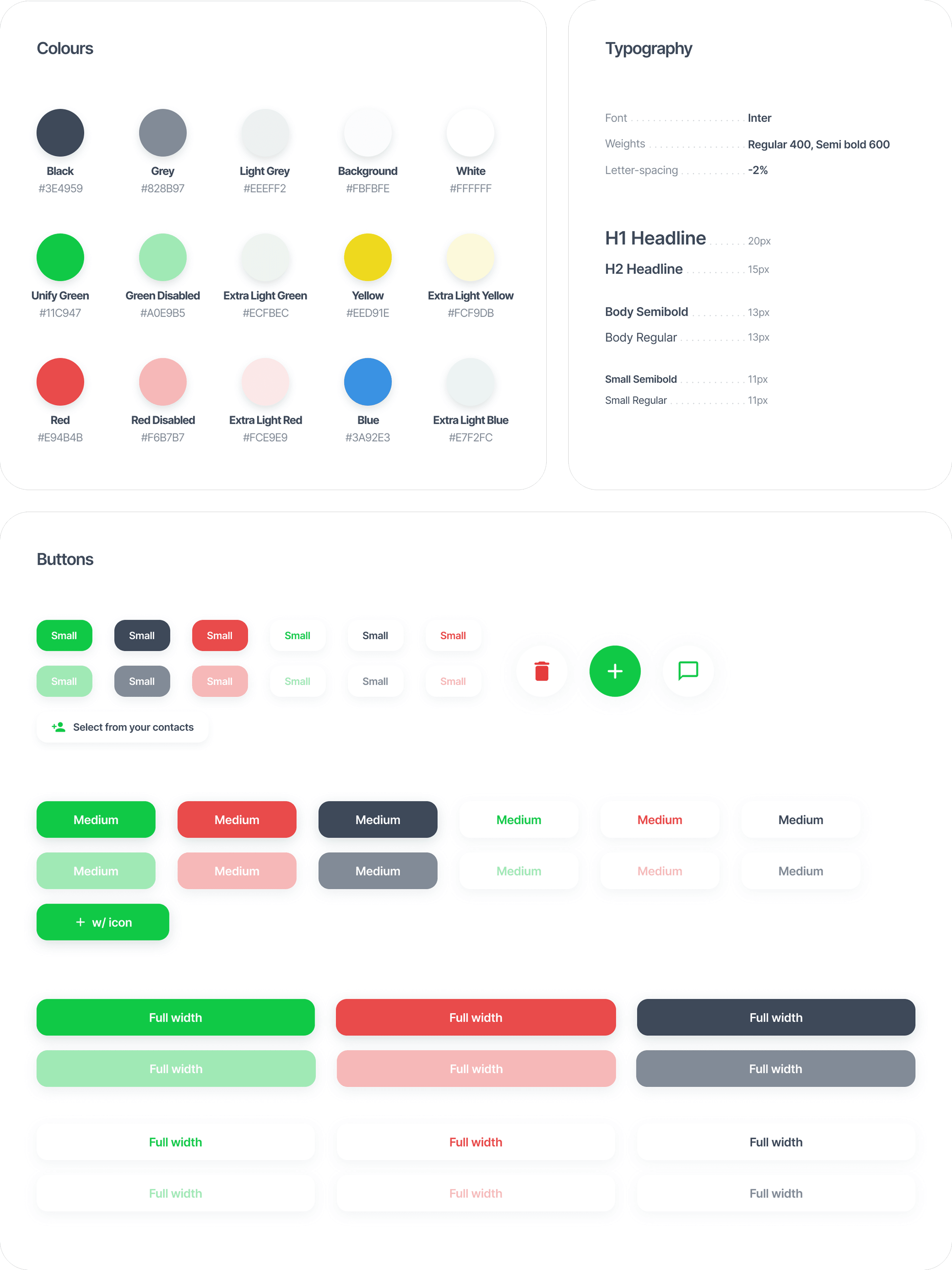
In parallel, I established a unified design system to improve consistency and delivery speed.
System Components
- core UI components (inputs, buttons, tables, cards, menus)
- colour, typography, and spacing tokens
- interaction patterns and state definitions
Implementation
- Figma component library
- Storybook integration for engineering use
- documentation and usage guidelines
This created a shared toolkit that reduced duplication and improved cross-team alignment.
06 — Brand Refresh
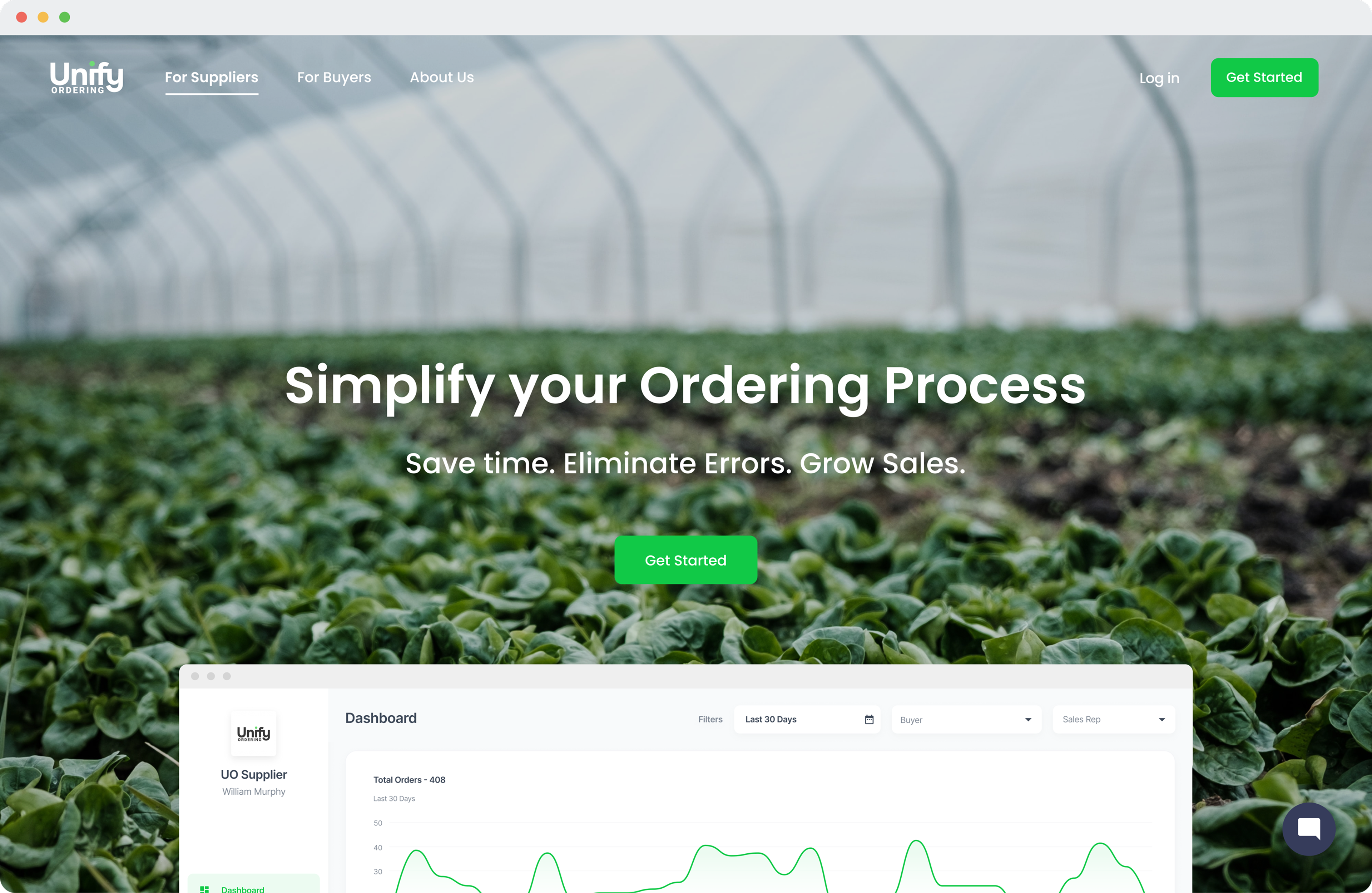
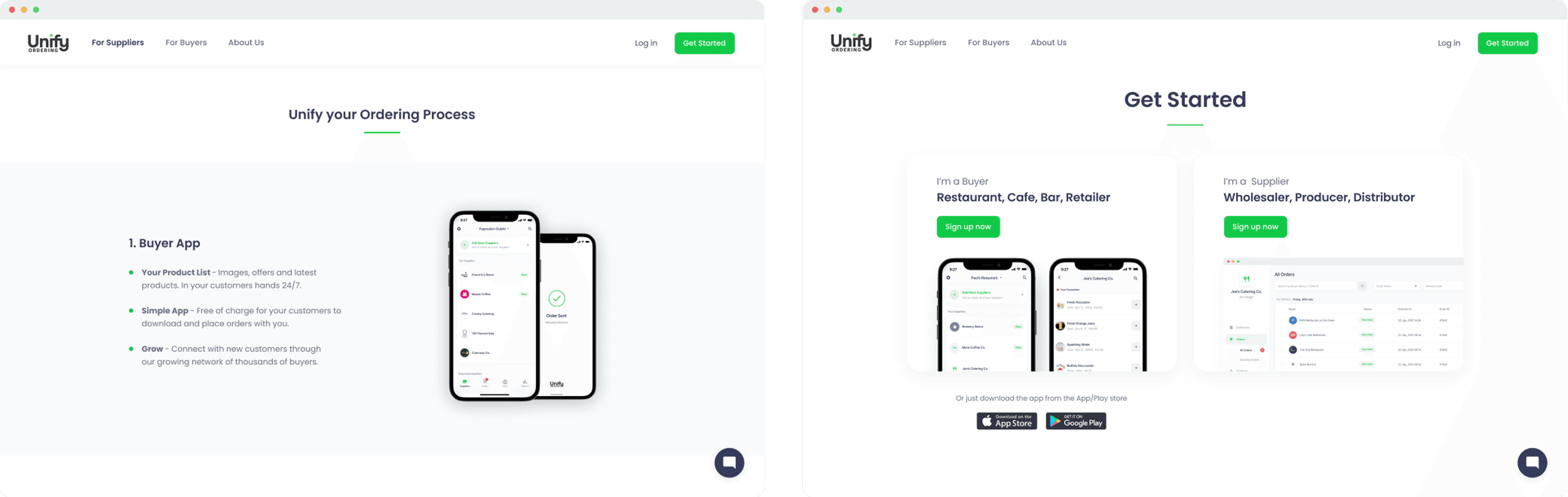
Brand & Marketing Refresh
To support product credibility and trust, I redesigned the brand and marketing site.
Deliverables
- updated visual identity and typography
- homepage and key marketing layouts
- reusable marketing components (pricing cards, CTAs, testimonials)
- brand guidelines for consistent usage
The refreshed identity aligned product experience with a more modern, trustworthy tone.
07 — Impact
Impact
The work resulted in a unified product experience across mobile and web, supported by scalable design foundations.
Key Outcomes
- cohesive interface across buyer and supplier experiences
- improved alignment between design and engineering
- faster iteration enabled by reusable components
- reduced UI inconsistency and design debt
- consistent brand presence across product and marketing
Formal product metrics weren't tracked post-launch — but the redesigned platform shipped to both sides of the marketplace, the design system remained in daily use across feature delivery, and stakeholder and engineering feedback was strongly positive.
08 — My Role
My Role
I owned the design function end-to-end:
- defined design priorities with leadership
- designed all product experiences across mobile and web
- built and maintained the design system
- delivered implementation-ready assets and collaborated closely during development
- shaped the visual brand and digital presence
09 — Reflection
Reflection
This project required delivering high-quality product work without the infrastructure of a mature design organisation.
I learned how to:
- introduce structure in low-maturity environments
- build scalable systems under time pressure
- balance speed of delivery with long-term maintainability
- design for two distinct user groups within a shared platform
It strengthened my ability to move between interaction design, system thinking, and brand execution within a startup context.